Beautiful Gardens, landscaping, art, printing For Your Home And Garden!
Beautiful Gardens, landscaping, art, printing For Your Home And Garden!
Choose eco friendly gardening supplies with thoughtful materials, lasting function, and sculptural beauty for a garden that feels naturally personal.
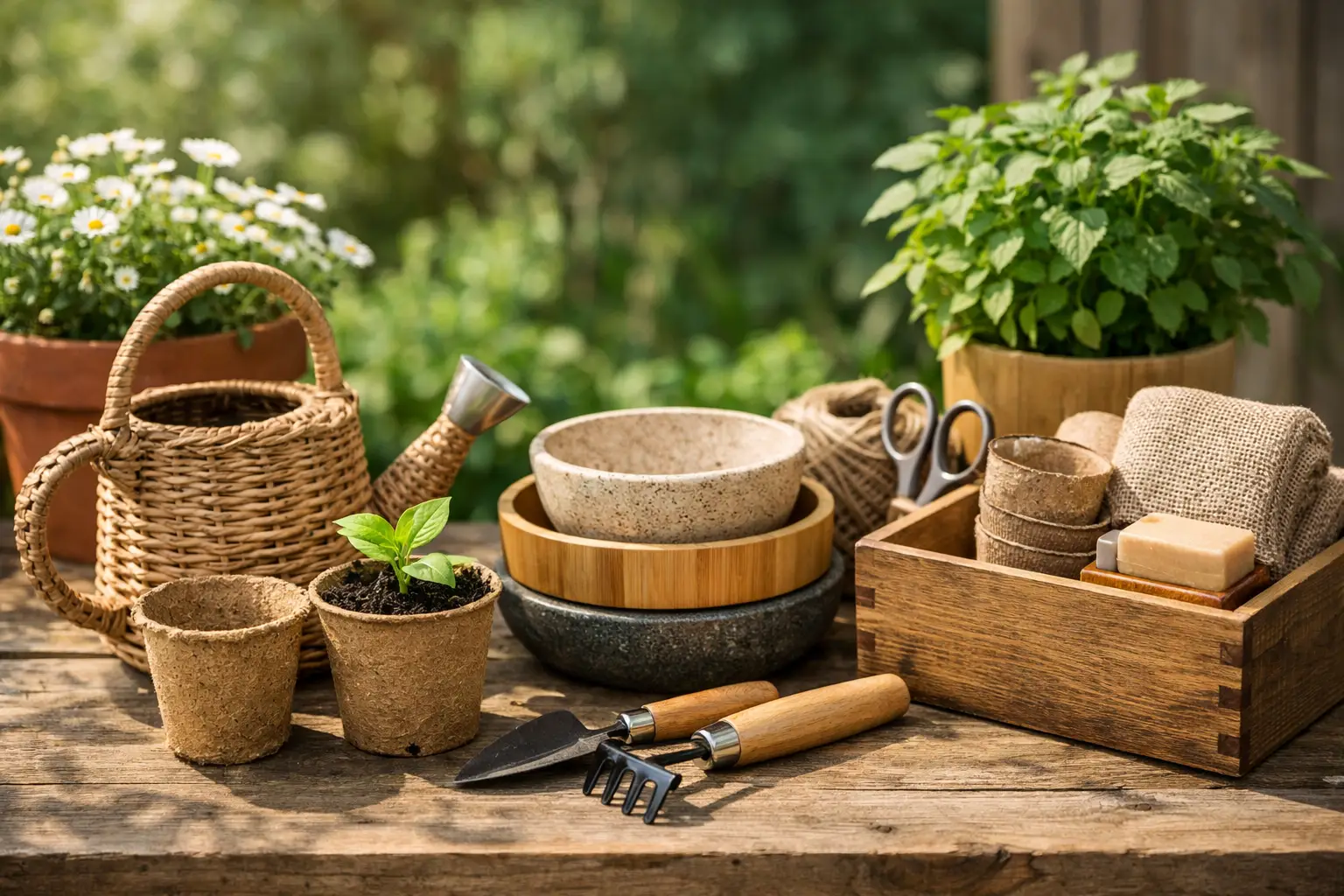
A garden can be full of life and still leave behind a trail of cracked plastic pots, worn-out gloves, chemical bottles, and disposable packaging. Choosing eco friendly gardening supplies is a quieter way to shape a better outdoor space: one where the tools feel good in the hand, the materials age gracefully, and every object earns its place among the plants.
For a design-minded gardener, sustainability is not a style to paste on after the fact. It is a way of buying less, choosing with more care, and allowing the practical parts of gardening to carry the same visual intention as a favorite planter, woven towel, or outdoor textile. The best choices are not always the most obviously “green.” They are the ones you will keep using season after season.
The most sustainable garden supply is often the one you do not need to replace. Before focusing on labels, look at construction. A trowel with a forged stainless steel head and an ash or FSC-certified wood handle may cost more than a lightweight plastic version, but it can serve for years with simple care. Choose tools with replaceable handles or parts when possible, especially for pruners, hoses, and watering wands.
Recycled plastic has a useful place in the garden, particularly for durable rain barrels, storage bins, and nursery pots designed for repeated use. It is not automatically inferior to natural materials. The question is whether it is sturdy enough to stay in service, made from recycled content, and recyclable through a local program when its useful life ends.
For pieces that sit in view, material can also create atmosphere. Terracotta develops a pale mineral patina. Powder-coated metal can bring crisp color to a patio. Untreated cedar weathers into a soft silver-gray. These surfaces make a garden feel composed rather than overfilled, especially when repeated in a restrained palette.
A garden’s health begins below the surface. Soil care may be less photogenic than flowers in bloom, yet it is where many of the most meaningful decisions happen. Compost, leaf mold, and organic mulch build soil structure over time, helping it hold moisture while giving roots room to breathe.
Choose peat-free potting mix when you can. Peatlands store enormous amounts of carbon and support highly specialized ecosystems, but they have been heavily harvested for horticulture. Good peat-free mixes may use composted bark, coir, wood fiber, rice hulls, or green-waste compost. Their texture and water retention vary, so read the blend rather than assuming every bag performs the same way. A mix that works beautifully for a thirsty fern may not be ideal for drought-tolerant herbs.
Composting supplies deserve a practical approach. A compact countertop caddy and a well-made outdoor bin can make food-scrap collection easy, but a grand system that feels inconvenient will not be used. For small patios, consider a sealed container for plant trimmings and coffee grounds, or connect with a local compost drop-off. For larger yards, a simple open compost bay made from reclaimed wood can be more effective than a complicated tumbler.
Mulch is another humble essential. Arborist wood chips, shredded leaves, and untreated straw can reduce watering needs and suppress weeds. Keep mulch a few inches away from stems and tree trunks to avoid trapping excess moisture against the plant.
Organic fertilizer is not a license to apply more. Natural inputs can still harm waterways or create weak, overly lush growth when overused. Start with a soil test if your garden has persistent problems, then choose amendments for a clear purpose.
Compost is a broad, gentle soil builder. Slow-release organic fertilizers can support vegetables and flowering containers. Worm castings are useful in small quantities for seedlings and houseplants. Match the input to the plant and the season, and follow the application rate. Thoughtful restraint is part of sustainable gardening.
Water is where beautiful garden rituals meet real environmental impact. A metal watering can, a ceramic ollas system, or a simple hose nozzle might seem like a small purchase, yet each can help turn watering into a more precise practice.
A watering can works especially well for containers, seedlings, and newly planted perennials because it directs water exactly where it is needed. For established beds, soaker hoses and drip irrigation typically use less water than overhead sprinklers and keep foliage drier, which can reduce certain fungal issues. They do require occasional checks for clogs, leaks, and uneven pressure.
If you use a hose, select one built to last and store it out of direct sun when possible. A hose reel or wall hanger keeps it from kinking across pathways and makes the garden look calmer between use. Rain barrels can be worthwhile in regions with regular rainfall and suitable local regulations, though they may offer limited value during long dry spells. Think of them as one part of a water-wise planting plan, not a complete solution.
That planting plan matters. Group plants with similar water needs, add mulch, and favor regionally appropriate species. A garden that works with its climate requires fewer interventions and has more time to become itself.
Temporary seedling cells and flimsy nursery pots are easy to accumulate. Reuse healthy plastic pots for propagation, share extras with neighbors, or bring them to a local nursery that accepts returns. When buying new containers, prioritize ones that will remain part of the garden for years.
Terracotta is breathable and timeless, although it dries out quickly in hot, windy climates and can crack in freeze-thaw conditions. Glazed ceramic brings rich color and visual weight, but larger pieces can be heavy to move. Fiberglass and recycled composite planters are often lighter and weather-resistant, though their end-of-life recycling options may be limited. There is no single perfect material. Select according to climate, plant needs, and how long you expect to love the piece.
Raised beds call for the same discernment. Naturally rot-resistant wood such as cedar is a strong choice for edible gardens. Avoid wood treated with substances not intended for food-growing areas. Metal beds can last well and offer a clean, architectural line, but they may heat up quickly in full sun. In very hot locations, positioning and mulching make a difference.
The garden aisle often presents single-use products as convenient answers: weed barriers, pre-moistened wipes, pesticide sprays, plastic ties, and decorative fillers. Some solve an immediate problem, but many create a second problem later.
Choose reusable plant ties made from jute, cotton, or soft fabric strips. Use a hand hoe and mulch before reaching for chemical weed control. Keep pruners sharp and clean rather than replacing them when they begin to stick. Wash and dry gloves, then mend a loose seam. These habits are not fussy. They are the ordinary craft of tending a place.
For pests, begin by identifying what is actually happening. Aphids on a young rose may be controlled with a strong stream of water and beneficial insects. A chewed leaf does not always require action. When treatment is necessary, use the least disruptive option first and apply it carefully, particularly around pollinators. Even products labeled organic should be handled with attention.
An eco-conscious garden does not need to look rustic unless that is your preference. A few well-chosen objects can bring order and personality to the work of growing. Think of a deep blue glazed pot beside weathered wood, a linen garden apron hung on a hook, or a sculptural watering can placed where morning light catches it.
Eastern landscape painting offers a useful visual lesson: space has value. Leave room for foliage, shadow, stone, and seasonal change. Rather than filling every corner with new accessories, choose supplies that have tactile presence and a role to play. Natural fibers, matte finishes, botanical motifs, and soft earth tones can make functional garden pieces feel connected to the living scene around them.
At Fensgarden, that meeting point between utility and outdoor atmosphere is part of the design idea. Garden living becomes more personal when everyday materials carry a sense of artistry without asking the space to become precious or impractical.
A useful filter before any purchase is simple: Will this make gardening easier for several years, or is it only solving a momentary inconvenience? Consider repairability, packaging, material origin, and whether you already own something that can do the job. Borrowing a specialty tool, buying secondhand, or choosing one excellent multipurpose tool can be a more sustainable decision than ordering a full matching set.
The goal is not a flawless zero-waste garden. Gardening is physical, seasonal, and sometimes messy. Pots break, plants fail, and a sudden pest problem may call for a less-than-ideal intervention. What matters is building a garden with fewer throwaway habits and more lasting relationships – with your soil, your tools, and the landscape just beyond your door.
Let your supplies become part of that landscape: useful, well cared for, and quietly beautiful as they age.