Beautiful Gardens, landscaping, art, printing For Your Home And Garden!
Beautiful Gardens, landscaping, art, printing For Your Home And Garden!
Learn how to winterize garden furniture with material-specific care, storage, and breathable protection that keeps your outdoor room ready for spring.
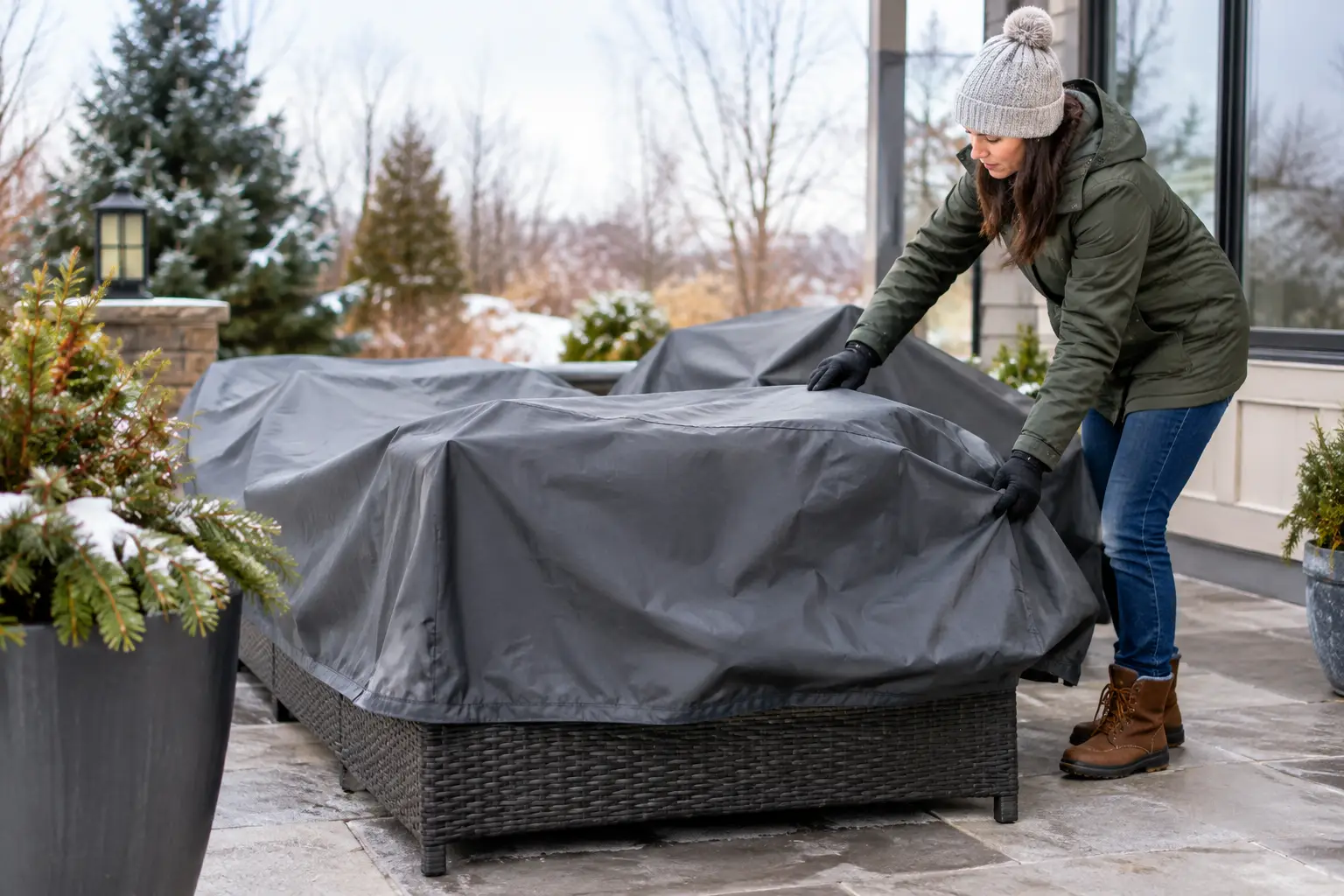
The first cold rain has a way of revealing what summer concealed: a loose chair joint, leaves caught beneath a bench, a cushion that never fully dried after the last gathering. Knowing how to winterize garden furniture is less about wrapping everything in plastic and forgetting it until April. It is a small seasonal ritual that protects the outdoor room you have created – and preserves its sense of welcome through the quiet months.
A well-kept patio, balcony, or garden terrace should age with character, not with preventable damage. Winter care helps materials withstand moisture, frost, wind, and low light while making spring reopening remarkably easier. The right approach depends on what your furniture is made of, how exposed your space is, and whether you have dry storage available.
Never cover furniture while it is dusty, damp, or speckled with fallen leaves. Organic debris holds moisture against finishes, encourages mildew, and can leave tannin stains on wood and fabric. Choose a mild, dry day before the first sustained freeze, then sweep beneath and around each piece so the entire setting begins winter clean.
Wash frames with a soft cloth, warm water, and a mild soap. Avoid abrasive pads and harsh cleaners, which can dull powder-coated metal, scratch resin, or strip protective oils from timber. Rinse sparingly and allow every surface, seam, and underside to dry completely. This step matters more than it appears: a cover traps the conditions already present beneath it.
Inspect as you clean. Tighten visible screws, replace worn feet or glides, and note any chips in paint or powder coating. A tiny exposed patch of metal is easier to touch up now than to repair after a season of rust spreading beneath the finish.
Different materials ask for different kinds of protection. Treating them all alike can create the very problems you are trying to avoid.
Hardwoods are naturally resilient, but winter moisture still tests them. Teak can remain outdoors year-round in many climates, eventually developing a soft silver-gray patina. If that weathered appearance suits your garden, clean it well and let it dry before covering or leaving it uncovered in a sheltered location.
For acacia, eucalyptus, and other finished woods, check the manufacturer’s care guidance before applying oil or sealant. These woods benefit from a protective treatment when the existing finish looks dry or worn, but coating damp wood can trap moisture and lead to blotching. Raise legs slightly off wet paving with furniture feet or discreet blocks, and do not allow standing water to collect beneath a table or bench.
If space allows, storing wood in a cool, dry shed or garage is ideal. Avoid heated indoor rooms for pieces designed to live outside, as drastic shifts in humidity can contribute to cracking or warping.
Aluminum is lightweight and rust-resistant, making it one of the easiest materials to winter outdoors. Clean it, dry it, and protect it from repeated abrasion caused by flapping covers. It still benefits from cover protection in coastal locations, where salty air may affect finishes over time.
Steel and wrought iron deserve closer attention. Sand very small rust spots gently, remove the dust, and apply a suitable outdoor touch-up paint. Then keep the furniture off soil and wet grass, where moisture lingers longest. A sheltered position against a wall is often more useful than a fully enclosed cover with poor airflow.
Natural wicker and rattan should be moved indoors or into a reliably dry outbuilding. Their woven fibers absorb moisture and may become brittle after cycles of damp and frost. Resin wicker is much more forgiving, although freezing temperatures can still make it less flexible if it is knocked or heavily loaded.
For resin wicker, vacuum debris from the weave, wipe it with mild soapy water, and dry it thoroughly. Plastic furniture can also stay outdoors in moderate climates, but intense cold may make lower-quality pieces prone to cracking. Stack chairs only if their shape allows it without stressing arms or legs, and place a soft layer between surfaces to prevent scratches.
Cushions are usually the first part of an outdoor setting to fail because fabric may look dry while the filling remains damp. Bring them indoors whenever possible. A closet, dry basement, climate-controlled garage, or under-bed storage area is better than a damp shed.
Brush away debris, spot-clean according to the care label, and let cushions air dry for at least a full day before packing them away. Store them in breathable fabric bags or clean cotton sheets rather than airtight plastic bins. Plastic can be useful for short transport, but long-term airtight storage risks mildew when even a trace of moisture remains.
Do not forget umbrellas. Close them, brush off dirt, allow the canopy to dry, and store it inside if possible. If the umbrella must remain outdoors, use a fitted cover and make sure its base is stable against winter wind. In exposed gardens, removing the canopy and storing it separately can be the safer choice.
A furniture cover should shed rain while allowing moisture vapor to escape. Look for water-resistant, breathable fabric with vents, reinforced seams, and secure ties or buckles. The goal is protection, not a sealed plastic chamber.
Avoid draping a cover directly over a flat tabletop or low sofa frame. Instead, create a gentle peak with an upturned planter, a purpose-made support, or another stable object that will not damage the surface. This encourages rainwater to run off rather than pooling in the middle. Keep the cover slightly raised from the ground where practical to improve airflow.
A cover is not automatically the best answer in every garden. In very wet areas, a cheap non-breathable cover can cause condensation and mildew. In windy locations, poorly fitted covers rub finishes and act like sails. Sometimes a roofed porch, protected wall, or dry storage area gives better results with less material.
Winterizing furniture is also an opportunity to restore visual calm to the garden. Move lightweight chairs away from exposed edges, group durable pieces where they are less likely to blow over, and leave clear paths for checking planters, bird feeders, or evergreen structure. Keep drainage channels and patio gaps free of leaves so water can move away from furniture feet.
If your outdoor space is a year-round retreat, you may choose to leave one durable bench or pair of chairs accessible. A wool blanket stored just inside, a lantern used safely, and the silhouette of grasses or seed heads can make a winter garden feel intentional rather than abandoned. The aim is not to preserve a frozen image of summer. It is to let the space change gracefully with the season.
For gardens shaped around biodiversity, avoid using furniture covers as a reason to over-clear everything nearby. Fallen leaves can be gathered from seating areas and paths while some remain beneath shrubs or in a designated leaf-mold corner. That balance keeps the outdoor room usable while offering shelter to beneficial insects and supporting healthier soil.
After a heavy storm, snowfall, or extended wet spell, take five minutes to inspect stored and covered furniture. Brush snow off covers before weight stretches the fabric or stresses the frame. Shake out pooled water, retighten straps, and check that the ground beneath has not become saturated.
A midwinter check is especially worthwhile for cushions in sheds and wood furniture under covers. If you notice condensation, open the cover on a dry day and let the piece air out. Early attention prevents the familiar spring surprise of mildew odor, stained fabric, or swollen wood.
When the first mild days return, resist the urge to uncover everything at once. Wait until the furniture and patio are dry, then air cushions outdoors in indirect sunlight and wipe down frames before arranging the space again. A garden is a living extension of the home, not a showroom held permanently still. Caring for its furniture through winter gives every future breakfast, rainy-day pause, and long outdoor dinner a better place to begin.