Beautiful Gardens, landscaping, art, printing For Your Home And Garden!
Beautiful Gardens, landscaping, art, printing For Your Home And Garden!
Designer home textiles bring art, texture, and personal meaning to everyday rooms. Learn to choose towels and blankets made for real living at home.
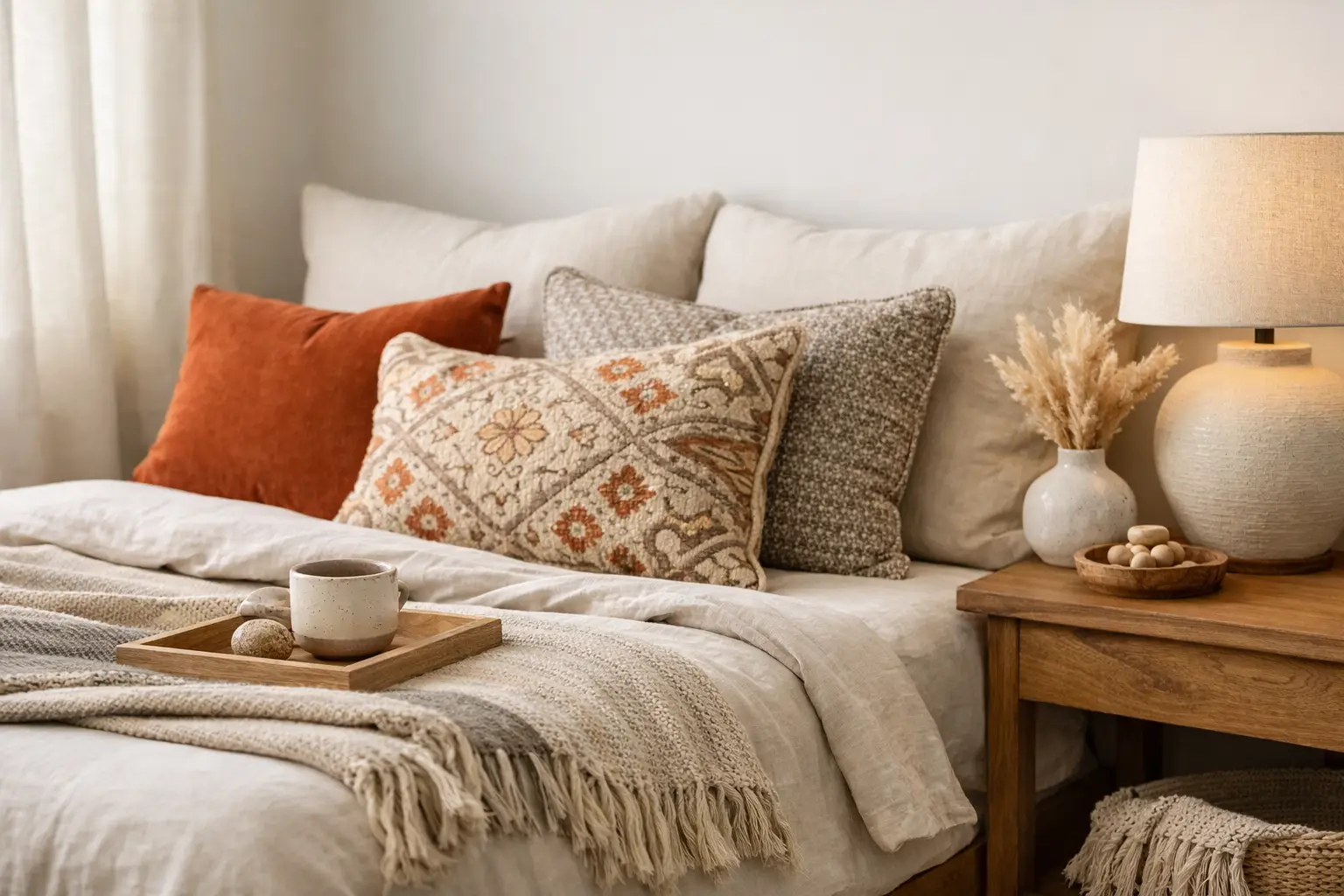
A bath towel draped over a hook, a blanket folded at the end of a bed, a cushion catching the afternoon light – these are small surfaces with an outsized effect. Designer home textiles turn those ordinary moments into part of a room’s visual language. They add color without repainting, warmth without adding furniture, and a sense of authorship without asking a home to look overly styled.
The difference is not simply a more elaborate pattern or a higher price point. Thoughtful textiles bring together material, proportion, print, and purpose. A blanket should still be the one everyone reaches for during a movie. A beach towel should handle sun, salt, and repeated washing. Art matters most when it can remain close to daily life.
Hard surfaces establish a room’s structure: floors, tables, tile, windows, and walls. Textiles soften that structure. They absorb light, introduce movement, and make an interior feel lived in rather than merely arranged.
This is why a single printed throw can shift the mood of a neutral sofa, or a set of richly patterned towels can make a simple bathroom feel considered. Textiles are also among the easiest decor choices to change with the season. You may not replace a dining table for spring, but you can bring in a botanical table runner, a lighter blanket, or towels in a fresh landscape-inspired print.
For design-sensitive homes, the appeal lies in contrast. A clean-lined modern room can benefit from the irregular brushwork of an ink-wash motif. A traditional interior can feel less formal with a graphic, contemporary floral. The goal is not to match every object. It is to create a conversation between materials, shapes, and moods.
Many textile decisions begin with a question like, “What shade of blue goes with this sofa?” Color is useful, but it is rarely the most revealing starting point. First decide what the room should feel like when you walk into it.
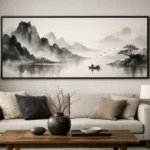
A bedroom might call for quiet, so a misty mountain print, softened neutrals, and a blanket with a gentle hand feel more appropriate than sharp geometric contrast. A patio meant for long lunches may invite bolder colors, sun-warmed florals, or playful stripes. In a guest room, a distinctive towel set can create the welcome of a boutique stay while still reflecting the host’s personality.
Nature offers a particularly generous vocabulary here. Water, reeds, stone, clouds, garden leaves, and distant hills are recognizable without becoming literal. Eastern ink painting is especially compelling in textile form because it leaves room for air. Its washes and open spaces can make a pattern feel calm rather than crowded, even when the artwork has strong visual character.
Once the feeling is clear, choose a color direction. Pull one or two tones already present in the room, then introduce an accent that gives the textile its own identity. If every color matches exactly, the result can feel flat. A quiet olive throw against charcoal upholstery, or indigo towels in a warm white bathroom, often creates more depth than a perfect match.
Beautiful design is only half the decision. The best textile for a formal guest bed may be the wrong choice for a family room with a dog, a child, and frequent snack breaks. Consider use before committing to a fabric, finish, or print scale.
A premium towel should feel pleasant against the skin, but absorbency, weight, and drying time matter just as much. Plush, heavier towels feel indulgent and can make a primary bath feel more luxurious. They may take longer to dry, however, especially in a humid space or a bathroom shared by several people.
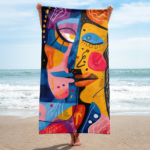
For a guest bath, pool day, or beach bag, a lighter towel can be the smarter choice if it dries quickly and travels easily. The design should remain legible after washing, while the fabric should stay comfortable rather than becoming stiff or thin. A towel is not a framed print. It earns its place through repeated use.
Blankets carry visual weight because they often occupy large areas of a sofa or bed. That makes scale essential. A small, detailed print may disappear from across the room, while an oversized motif can overwhelm a compact chair. Look at the piece from the doorway as well as up close.
For the bedroom, a blanket can act as a transitional layer between crisp bedding and a more personal atmosphere. On a sofa, it should complement the upholstery rather than compete with every cushion. If your room already includes a patterned rug and art-filled walls, a tonal textile with painterly texture may be enough. If the room is spare, a more expressive printed blanket can become the focal point.
A common styling mistake is treating every textile as an opportunity for a new, unrelated statement. One scenic print, a second loud pattern, a third competing color, and the room begins to feel noisy. Artful interiors still need pauses.
A useful approach is to choose one textile as the visual lead. It might be a blanket featuring misty peaks, a towel printed with sweeping botanicals, or a table textile with a richly illustrated garden scene. Then support it with solids or quieter textures that repeat one color from the artwork.
Texture is also part of the composition. Pair smooth printed cotton with woven baskets, linen upholstery, ceramic vessels, or weathered wood. These combinations help a printed piece feel integrated, especially in homes that lean toward natural materials. The same idea works outdoors, where textiles can soften the geometry of patio furniture, planters, and pergola posts.
Personalized textiles make especially thoughtful gifts because they can mark a place, a season, or a relationship without becoming overly formal. A family name, a meaningful date, a favorite garden flower, or a custom color palette can turn a useful object into something worth keeping.
Restraint makes personalization more enduring. A small monogram placed thoughtfully can feel more refined than oversized lettering across the entire design. For a wedding or housewarming gift, consider the recipient’s home rather than only the occasion. A dramatic beach motif might suit someone who spends every summer by the coast, while a quiet landscape print may better fit a couple building their first calm, layered home.
For small businesses and hospitality spaces, custom textiles can also carry a brand without feeling promotional. The most successful versions use artwork and color to establish a mood first, then place a logo or identifier with a light touch. Guests remember an experience more readily than a large graphic mark.
The boundary between home and outdoor living is often softer than it appears. A well-designed blanket can move from a reading chair to a cool evening on the patio. Printed towels can bring cohesion to a pool area, picnic, or beach day. Garden cushions, umbrellas, and textiles can echo the colors of planting beds without trying to copy them exactly.
This is where landscape-inspired art becomes practical as well as beautiful. A palette drawn from ink-black branches, soft stone, moss green, or washed sky blue belongs naturally beside terracotta pots and flowering shrubs. Fensgarden approaches this connection through the perspective of architecture, landscape, and graphic art: the home, garden, and objects within them can share a common sense of place.
Outdoor textiles face real trade-offs. Sun exposure can fade intense colors over time, and rain or humidity demands attentive drying and storage. Choose pieces suited to their setting, bring them in during prolonged bad weather, and avoid leaving cherished art prints exposed all season. Good care protects both the fabric and the visual clarity that made you choose it.
Luxury in home textiles does not need to mean preciousness. It can mean the quiet pleasure of using something that feels good, holds up well, and reflects a point of view. It may be the towel that makes an ordinary morning feel less rushed, or the blanket that turns an outdoor dinner into an evening worth lingering over.
Choose the artwork that keeps drawing your eye. Let it be useful enough to touch, wash, share, and live with. Over time, the best textiles do more than decorate a home – they become part of the memories made there.