Beautiful Gardens, landscaping, art, printing For Your Home And Garden!
Beautiful Gardens, landscaping, art, printing For Your Home And Garden!
Outdoor living trends for 2026 favor resilient planting, shaded rooms, quiet technology, and gardens that nourish people, pollinators, and daily rituals.
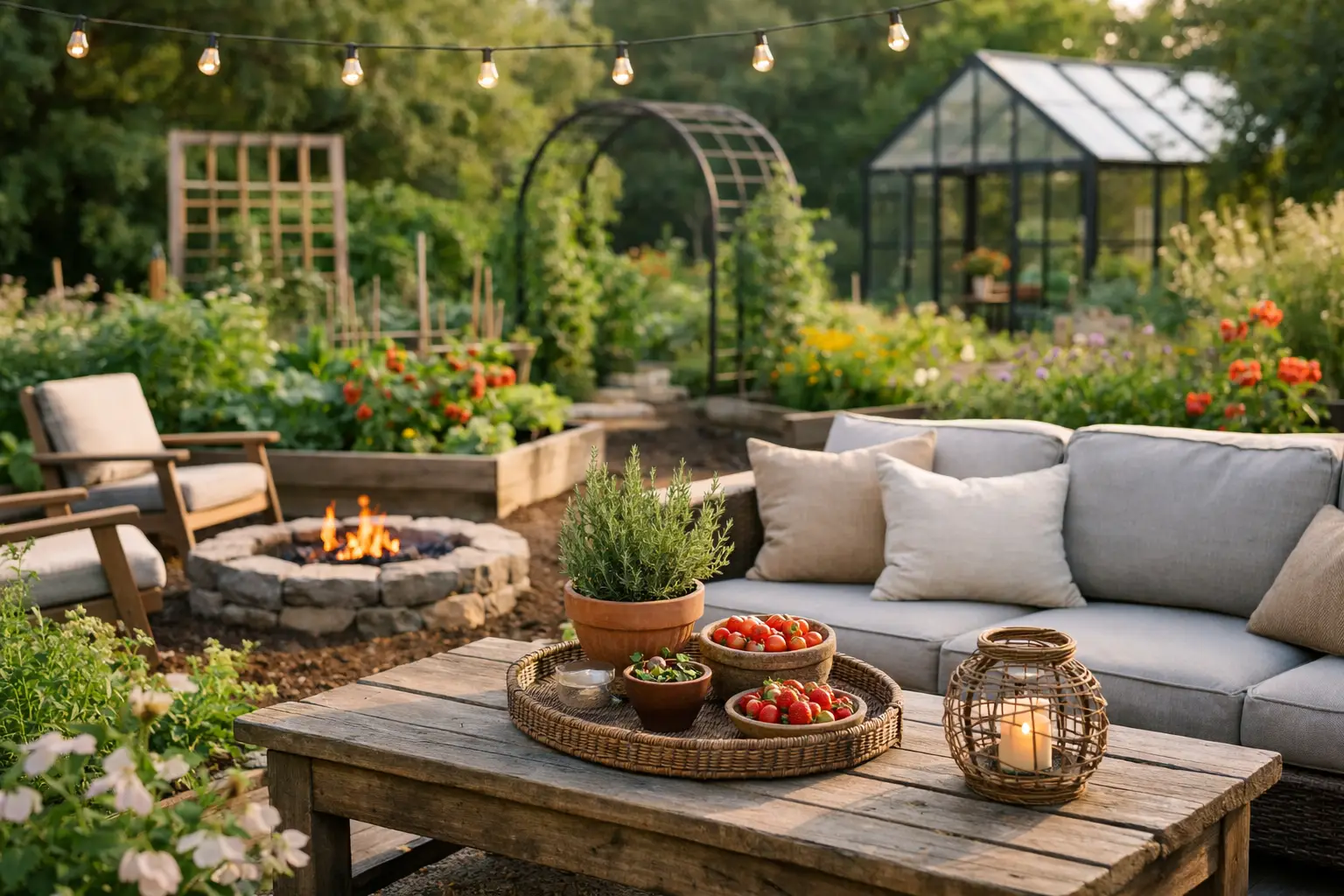
A patio no longer earns its place with a table and two chairs. The most compelling outdoor living trends in 2026 treat the garden as a living part of the home: a place to eat slowly, cool down on hot afternoons, notice the seasons, and make room for plants, birds, and people at once. For design-minded homeowners, the goal is not a perfectly staged backyard. It is a space with enough beauty and resilience to become more meaningful over time.
This shift is changing what people buy, plant, and build. A sculptural planter matters because it can organize a small terrace. A pergola matters because it creates shade for breakfast, reading, and late dinners. Native grasses and flowering perennials matter because they carry the garden through heat, rain, and busy weeks with less intervention.
The old idea of outdoor design often separated the hardscape from the garden. Furniture sat on one side, plants filled the borders, and the lawn occupied the middle. That formula can still work, but it rarely reflects how families actually live now.
Today, the garden is increasingly designed as a sequence of outdoor rooms. One corner may hold a long table beneath a canopy. Another may offer a low lounge chair near aromatic planting. A narrow side yard can become a quiet walking path framed by pots, ferns, or drought-tolerant grasses. Even a balcony can create the feeling of a room when planters establish a green threshold between the interior and the city beyond.
The strongest spaces do not try to provide everything at once. They decide what the household needs most. A family that hosts often may prioritize flexible seating and warm lighting. Someone working from home may need a shaded, wind-protected nook. For a small urban garden, a single beautifully proportioned bench surrounded by planting can be more restorative than an oversized outdoor sectional.
As summers become hotter and weather less predictable, shade is no longer an optional accessory. Pergolas, gazebos, umbrellas, fabric canopies, and trees are becoming the essential framework of comfortable outdoor life.
A freestanding umbrella offers flexibility and works well for renters or compact patios. A pergola has more permanence and can define an outdoor dining room with a sense of architectural calm. Neither is automatically better. The right choice depends on sun direction, wind exposure, available space, and whether the garden needs seasonal flexibility or year-round structure.
Material choice also affects the atmosphere. Natural wood, woven textures, stone, and muted metal finishes tend to soften a garden rather than compete with it. In an ink-painting-inspired palette, charcoal, warm sand, moss green, and weathered brown allow foliage, sky, and changing light to remain the central composition.
The desire for low-maintenance landscapes is often misunderstood as a desire for less planting. In practice, it means choosing planting with greater intelligence. A resilient garden is layered, adapted to its site, and able to look good without constant correction.
This is why drought-tolerant, native, and regionally adapted plants continue to shape garden design. They usually need less supplemental water once established, support local wildlife, and tolerate the small imperfections that make a garden feel alive. Rather than forcing every bed into strict geometry, homeowners are allowing looser combinations of flowering perennials, grasses, herbs, shrubs, and groundcovers to evolve together.
The effect is abundant rather than untidy. Repeating a few plant forms creates visual rhythm, while variations in height and texture provide depth. Soft plumes of grass can balance broad-leaved hostas. Small flowers can appear at the edges of a stronger evergreen structure. Seed heads left through fall and winter add movement and give birds a reason to visit.
Edible landscaping is becoming less formal and more integrated. Instead of setting aside one utilitarian vegetable patch, many homeowners are tucking herbs, berries, edible flowers, and compact fruiting plants into ornamental borders and containers.
A pot of rosemary near the outdoor kitchen is useful and fragrant. Nasturtiums can brighten a planter, attract pollinators, and add color to a salad. Blueberries can function as a handsome shrub in the right climate. These choices make the garden participatory. You do not only look at it from indoors. You step outside to gather something for a drink, a meal, or a child’s small discovery.
There is a trade-off. Productive plants need appropriate sun, soil, and occasional attention. A garden designed around edibles should be placed where harvesting is easy, not hidden at the far edge of the yard. The best approach is often modest: grow a few things you will genuinely use, then let the rest of the planting support the atmosphere and ecology of the space.
The boundary between the living room and the garden is softening. Large windows, sliding doors, shared flooring tones, and repeated materials help create visual continuity, but planting does much of the work. A leafy indoor corner can echo the terrace beyond it. A balcony filled with planters can become a green foreground for the home.
This is especially powerful in smaller spaces. Instead of treating a balcony as an afterthought, use vertical height and varying container sizes to create layers. Place taller plants toward the perimeter, use mid-height flowering or edible varieties near seating, and leave enough open floor for movement. A few generous vessels usually look more intentional than a crowded collection of tiny pots.
Planters are not merely containers in this approach. They are architectural elements that establish rhythm, guide circulation, and bring planting to eye level. Their finish and shape should relate to the home, but they do not need to disappear. An artful vessel can act like a quiet focal point, especially when paired with simple, textural foliage.
At Fensgarden, this relationship between object, planting, and daily ritual is central to the design approach. A garden should feel composed without feeling overly controlled, much like a landscape painted with a few deliberate strokes and room for mist, movement, and change.
Smart garden systems are becoming more useful precisely because they are becoming less visible. Homeowners are less interested in technology as a novelty and more interested in quiet support: drip irrigation that waters roots instead of pavement, timers that adjust around rainfall, and discreet moisture sensors that prevent stressed plants.
The most valuable system is often a simple one. A well-zoned irrigation layout, good mulch, and containers with drainage can save more water and frustration than an elaborate setup that is difficult to manage. If you travel frequently or maintain a large collection of pots, automated watering may be worth the investment. For a small garden tended by hand, a thoughtful plant palette and a reliable hose connection may be enough.
Lighting follows the same principle. The goal is not to flood the yard with brightness. Use warm, low-level illumination to make paths legible, reveal the texture of a wall or tree, and extend dinner outdoors after sunset. Shielded fixtures protect the night for neighbors, birds, and insects while making the garden feel more intimate.
Outdoor entertaining will always matter, but the most lasting gardens support ordinary moments. A chair placed where the morning sun arrives. A water bowl that catches light and attracts birds. A small table for tea, sketching, or repotting plants. These are the details that make an outdoor space part of a household’s rhythm.
Biophilic design gives this instinct a useful framework. It favors natural materials, layered planting, water, fresh air, dappled shade, and sensory change. A garden can offer the scent of mint after rain, the sound of grasses in wind, warm stone underfoot, and the sight of new leaves emerging in spring. Such experiences do not need a large budget, but they do require attention to how a space feels throughout the day and year.
For families, leave room for growth. Avoid treating the garden as a finished photograph. Children will want a place to observe insects, make mud, or grow strawberries. Plants will outgrow their first positions. A dining area may become a reading area in another season. Flexible furniture, movable planters, and planting beds with room to develop give the landscape a longer life.
The best outdoor spaces are not maintained in perfect stillness. They are cared for, used, weathered, replanted, and gradually made personal. Start with one meaningful threshold between home and garden, then let the next season tell you what the space needs.