Beautiful Gardens, landscaping, art, printing For Your Home And Garden!
Beautiful Gardens, landscaping, art, printing For Your Home And Garden!
Custom merchandise for small businesses can turn a logo into a useful, memorable ritual. Learn how to choose items, art, quantities, and timing with care.
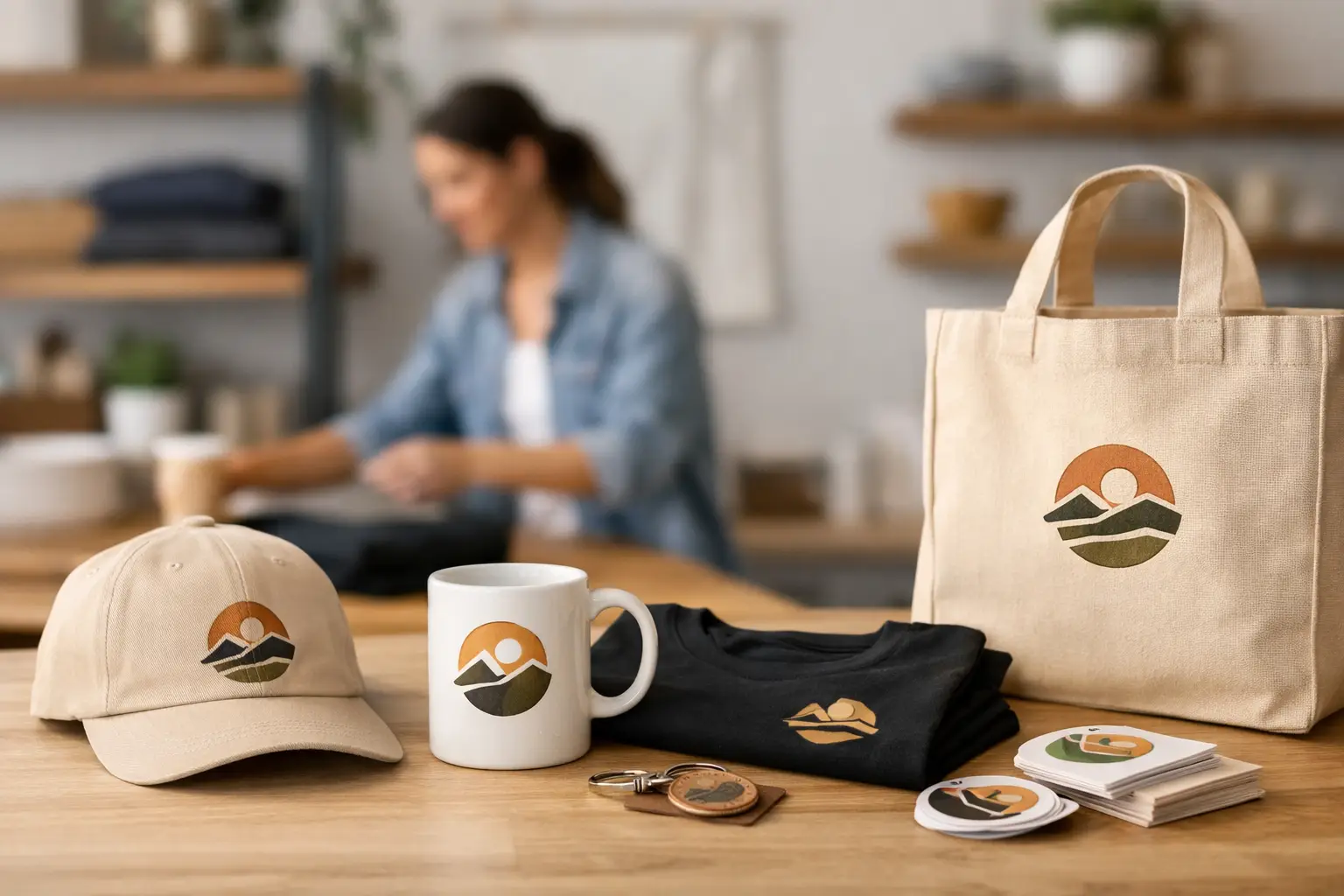
A neighborhood nursery sends customers home with a printed garden towel tucked beside a tray of herbs. A small inn places a soft throw at the end of each guest bed. A landscape studio gives new clients a beautifully illustrated notebook for recording the first season of their garden. Custom merchandise for small businesses works best in these quiet moments – when an object is useful enough to stay, and distinctive enough to be remembered.
For a small business, merchandise should not feel like a miniature billboard. It should carry the same care as the space, service, or product people came for in the first place. The right piece can extend a brand beyond a single visit, create a more considered customer experience, and give a growing business a physical language of its own.
Before selecting a product, consider where it will actually be used. This simple question prevents the most common mistake in promotional merchandise: ordering an item because it is inexpensive, rather than because it belongs in a customer’s life.
A garden center may choose sun-ready towels for potting benches, picnic blankets for local park days, or art-printed planters for seasonal workshops. A café with an outdoor courtyard might offer sturdy tote bags for market mornings. A boutique hotel may favor blankets that make a guest room feel warmer and more personal. In each case, the item has a role before it has a logo.
This is especially valuable for businesses shaped by place. Florists, garden designers, independent retailers, wellness studios, hospitality teams, and makers already create an atmosphere through scent, material, color, and ritual. Their merchandise can continue that atmosphere at home, at the beach, on a patio, or during a quiet morning in the garden.
Useful does not have to mean ordinary. A towel can become part of a poolside afternoon. A blanket can make an outdoor concert or a cool evening on the porch more comfortable. A planter can hold herbs near the kitchen door. When the object earns a place in someone’s routine, the brand stays present without demanding attention.
Small brands rarely win by looking bigger than they are. They win by being more specific.
That specificity may come from your materials, your local landscape, your humor, or the way you welcome people into a space. A business in the Southwest might draw from dry grasses, clay tones, and the long shadow of desert plants. A coastal shop may find its visual rhythm in tide lines, salt-worn stone, and blue-gray skies. A city-based floral studio may work with expressive stems and architectural grids.
The goal is not to print every brand element onto every surface. A crowded design often reads as promotional before it reads as beautiful. Give the artwork room to breathe. Let a mark sit quietly at an edge, on a label, or within a repeat pattern. Consider whether a customer would choose the item even if they had never heard of your business. If the answer is yes, you are close to making something with lasting value.
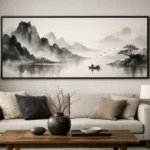
At Fensgarden, the approach begins with the feeling of a landscape rather than a loud graphic. Ink-like movement, softened color, and the imperfect balance found in gardens can make everyday textiles and outdoor objects feel more lived with than advertised. That principle can guide any small business: translate the character of your work, not just its name.
A strong custom piece usually has three layers. First is the atmosphere: calm, energetic, playful, grounded, refined, or wild. Second is the visual vocabulary: colors, lines, plants, textures, and symbols that belong to your brand. Third is the signature: a name, monogram, location, or small message that makes the item unmistakably yours.
For example, a regenerative garden business could use an illustrated pattern of native seed heads, bees, and edible leaves, then place its name in a restrained corner. The design says something about habitat and care before the customer ever reads the brand name. That matters because people are more likely to keep objects that feel meaningful, not merely marked.
A low price per unit can be tempting, particularly for a new business. But the true cost of merchandise includes whether it gets used, how it represents your standards, and whether it creates waste after one event. A smaller run of well-made goods can deliver more value than a large box of forgettable giveaways.
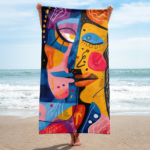
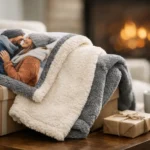
Textiles are especially effective when they are practical and tactile. Towels, throws, picnic blankets, and tote bags travel through real life. They can become part of a customer’s gardening kit, guest-room routine, weekend market visit, or outdoor gathering. Their generous print surface also gives artwork a chance to feel intentional rather than squeezed into a small promotional area.
Outdoor merchandise deserves a little more planning. Ask how it will handle sunlight, moisture, frequent washing, and storage between seasons. A light-colored design may look airy in a photograph but show soil quickly in a working garden. A dark ground can be forgiving, while layered botanical artwork can conceal everyday wear without losing its character. There is no universal right answer; it depends on how and where the piece will be used.
If sustainability is part of your brand promise, be precise about it. Buying fewer, longer-lasting pieces is often more aligned with that promise than producing excess stock. Choose designs that will not feel dated after one campaign, and consider merchandise that supports outdoor living, local growing, or low-waste habits.
Small businesses have an advantage here: they can test, listen, and adjust without the burden of a massive inventory plan. Begin with a focused collection and a clear purpose. Perhaps it is a limited holiday blanket, a workshop towel, a customer thank-you gift, or a small retail assortment for the spring garden season.
A first run should answer practical questions. Which design do people pick up? Do customers buy one item for themselves and another as a gift? Does a larger towel sell better than a smaller one? Are people responding to the artwork, the material, the local reference, or the story behind it?
Keep a record of those signals. Sales matter, but so do the comments people make at checkout, the photos they share, and the occasions they mention. A customer who says, “This is going on our patio all summer,” has just told you more than a spreadsheet can.
Avoid creating too many options at once. Three coherent designs are usually stronger than twelve unrelated ones. A compact collection also makes your display cleaner and gives customers an easier decision. Think of it as arranging a garden border: repetition creates calm, while a few deliberate variations create interest.
Merchandise gains meaning through its presentation. The packaging, the product card, and even the first fold of a blanket can turn a purchase into a small ceremony. This need not be elaborate. A short note about the artwork’s inspiration, care instructions written in a warm voice, or a tag that suggests how to use the piece outdoors can be enough.
For service businesses, consider giving merchandise a role in the client journey. A landscape designer might include a custom garden journal at project handoff. A wedding florist could offer an illustrated keepsake textile as an anniversary gift. A vacation rental might use printed throws as part of the guest experience, with a limited number available to purchase afterward.
The timing changes the meaning. A gift after a milestone feels generous. An item offered during a workshop feels participatory. A seasonal release can give regular customers a reason to return. Merchandise is not only a product category; it can become a rhythm within your business.
The most memorable merchandise does not need to announce itself from across the room. It carries a recognizable feeling through material, artwork, usefulness, and care. Over time, those details form a collection of familiar touchpoints: something a customer reaches for on the porch, packs for a day outside, or gives to a friend.
Start with one object that genuinely belongs in the life your business helps create. Make it beautiful enough to keep, practical enough to use, and specific enough that it could not have come from anyone else. Then let the next season tell you what to grow.