Beautiful Gardens, landscaping, art, printing For Your Home And Garden!
Beautiful Gardens, landscaping, art, printing For Your Home And Garden!
12 raised garden bed ideas for stylish, productive outdoor spaces - from modern wood beds to edible borders that bring beauty and function home.
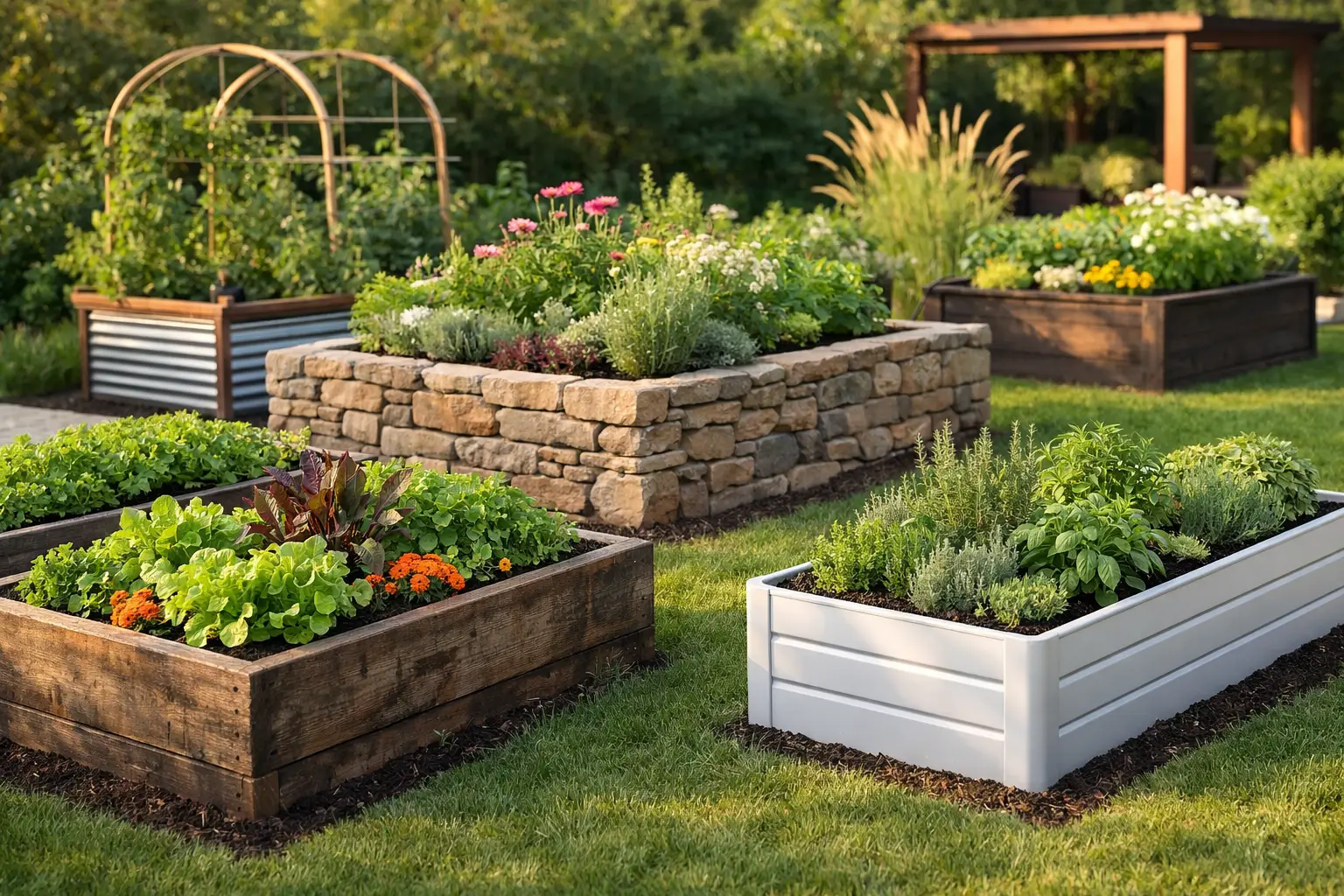
A raised bed can change the whole mood of a yard. Not just because it makes vegetables easier to grow, but because it gives structure to open space the way a well-placed bench, lantern, or path does. The best raised garden bed ideas solve practical problems while making the garden feel considered, calm, and personal.
For design-minded gardeners, that balance matters. A bed that drains well but looks clunky will bother you every time you step outside. A bed that photographs beautifully but overheats roots in July is not much better. Good garden design lives in the middle – useful, durable, and visually right for the home around it.
Before choosing a shape or material, look at the setting. A compact city patio calls for different raised garden bed ideas than a wide suburban backyard or a side yard that gets only morning sun. The bed should feel native to the space, not dropped in as an afterthought.
If your home has clean modern lines, simple rectangular beds in wood or powder-coated metal usually work best. If the landscape is softer and more cottage-like, you may want curved corners, layered plantings, and a slightly weathered finish. Think in terms of proportion too. One oversized bed can ground a small yard, while several narrow beds often make a larger space easier to navigate and maintain.
There is a reason this format stays popular. Cedar is naturally rot resistant, ages gracefully, and pairs well with almost any planting style. A long cedar bed filled with herbs, lettuces, and cut flowers feels orderly without looking rigid.
This is a strong choice if you want the garden to mature beautifully over time. Fresh cedar starts warm and clean, then softens into a silvery tone. The trade-off is cost. It is usually more expensive than basic pine, but it lasts longer and needs less fuss.
If you prefer a more architectural garden, black metal raised beds bring instant definition. They frame green foliage especially well and can make even simple plantings look curated. In front of gravel, concrete, or pale stone, they create a crisp contrast.
Metal does come with a climate question. In very hot regions, dark finishes can absorb heat, which may stress shallow-rooted plants. This does not make metal a bad choice, but it does mean soil depth, mulch, and watering matter more.
Instead of one large bed, try four to nine smaller raised beds arranged in a grid with paths between them. This layout feels intentional and makes crop rotation easier. It also creates pleasing visual rhythm, especially when each bed is planted with a different texture or shade of green.
For people who like a garden to feel edited rather than wild, this is one of the most satisfying raised garden bed ideas. The geometry does a lot of the design work for you.
A productive garden does not need to look utilitarian. Some of the most appealing raised beds are planted with the same eye you would use indoors – thinking about composition, contrast, and flow.
A raised bed planted only for harvest can be useful, but a bed planted for beauty and harvest often becomes the favorite part of the yard. Mix kale with marigolds, basil with zinnias, or strawberries with trailing nasturtiums. The result feels lush and expressive rather than strictly agricultural.
This approach is especially good near patios and entry points, where the garden is seen up close. It also suits homeowners who want their outdoor space to feel like an extension of their interior style.
Not every raised bed needs a rainbow of blooms. There is something elegant about limiting the palette to silvers, whites, soft greens, and deep burgundy foliage. Herbs are useful here – sage, thyme, lavender, and rosemary already carry subtle color variation and sculptural form.
A restrained palette can make a small yard feel more spacious and calm. The trade-off is that it requires discipline. One bright red annual can change the whole effect.
Raised beds do not all have to sit at one level. A taller bed near the back fence, paired with medium-height beds and lower planters in front, creates depth and gives the yard a more designed profile. This works particularly well if your lot is flat and needs visual movement.
Higher beds are also easier on the back and knees, which matters more than many gardeners admit. They generally require more soil to fill, so the upfront cost rises, but the comfort can be worth it.
Material choice is not just a technical decision. It sets the emotional tone of the garden.
Wood remains the most versatile option because it brings softness to hardscape and balances flowering plants beautifully. It can lean rustic, Scandinavian, contemporary, or transitional depending on board width, finish, and detailing.
If you want a garden that feels warm and lived-in, wood is hard to beat. Just pay attention to the type. Untreated cheap lumber may save money now but often disappoints quickly.
Stone-faced or masonry raised beds feel grounded and substantial. They are especially good near patios, outdoor kitchens, and homes with brick or stucco exteriors. These beds can make the garden feel built into the property rather than added later.
The downside is flexibility. Once installed, they are not easy to move or redesign. If you are still figuring out sun patterns or how you like to garden, starting with a permanent bed may be premature.
This look has become common for a reason – it mixes utility with style. The metal gives texture and durability, while the wood trim softens the top edge and makes the bed feel more finished. It suits both farmhouse and modern landscapes depending on the details.
Done well, it looks intentional. Done cheaply, it can feel trend-driven. The difference usually comes down to proportion, quality of materials, and how well the bed relates to the rest of the yard.
A small outdoor area does not rule out a beautiful growing setup. It simply asks for tighter editing.
If you only have a slim side yard or patio edge, long narrow raised beds can turn dead space into something lush and useful. Plant upright crops like tomatoes, peppers, trellised beans, or flowering vines at the back, with herbs or greens in front.
This layout keeps circulation open while maximizing sunlight along vertical surfaces. It is one of the smartest ways to make a small footprint feel abundant.
Many yards have awkward corners that collect little more than leaves and forgotten pots. A triangular or L-shaped raised bed can turn that dead zone into a feature. The shape feels custom and helps the whole space read as more intentional.
Corners are also a good place for pollinator plants or a compact cutting garden. If the bed is visible from inside, choose varieties with strong structure and long seasonal interest.
This idea works well for people who use the garden socially, not just horticulturally. A wider cap or bench edge around part of the bed creates a place to sit, set tools, or pause with coffee in the morning. It makes the garden more inhabitable.
There is a practical trade-off here too. The wider edge takes up space and can increase build cost, but it often gives back more in comfort and daily enjoyment than another row of lettuce would.
Even the best raised beds can look incomplete if the surrounding elements are ignored. Paths matter. Gravel, brick, decomposed granite, or simple stepping stones all change the character of the space. So does lighting. A softly lit bed near dusk has a very different presence than one left to disappear after sunset.
Watering should be considered early, not after the beds are planted. Drip irrigation keeps the garden neater and tends to support healthier growth with less waste. Trellises, obelisks, and supports can also become part of the composition if chosen with care. Think of them less as accessories and more as vertical architecture.
For a more expressive look, repeat a material or motif across the yard. If your planters have a dark finish, echo that in the bed hardware or lighting. If the space leans natural and calm, keep tones quiet and let foliage create the movement. Design consistency is often what separates a charming garden from a cluttered one.
At Fensgarden, we tend to see raised beds not as isolated containers, but as part of a larger outdoor rhythm – connected to planters, shade, seating, and the small visual details that make a garden feel personal.
The best choice is rarely the most elaborate one. It is the raised bed that fits your light, your routine, your house, and the way you want to feel when you step outside. Start there, and the garden will tell you what it wants next.